




Let’s explore this scientific pursuit. Let’s start here, together.
The four-step process to transitioning from EtO
The transition from EtO to alternative methods is not simple, but it’s absolutely necessary. To navigate this complex shift, a clear, methodical process is essential:
- Assess the device’s intended use: understanding how the device interacts with a patient directly determines whether sterilization is required. Devices in direct contact with the bloodstream or other sterile areas unequivocally require sterilization, whereas those that merely touch intact skin may only need validated cleaning and disinfection.
- Analyze the product design and materials: each device is built differently; materials must be evaluated for sensitivity to heat, moisture, and chemicals. Manufacturing processes can also introduce residual stresses or chemicals that impact sterilization compatibility.
- Evaluate the sterilization options: a careful match between the device and the sterilization method is required to maintain safety and efficacy.
- Confirm post-sterilization functionality: the device must perform as intended after sterilization, with no degradation.
Alternatives to Ethylene Oxide: Moist Heat and Vaporized Hydrogen Peroxide
The primary alternatives to EtO, particularly for pharmaceutical and medical device sterilization, are Moist Heat and Vaporized Hydrogen Peroxide (vH2O2).
1. Moist Heat Sterilization
Moist Heat, or saturated steam sterilization, is often the most common and well-understood pharmaceutical sterilization process. It is generally preferred when material compatibility is allowed due to its robust nature and lower risk of impacting materials compared to other methods like ionizing radiation, which can introduce radiolysis impurities.
However, its applicability is constrained by temperature and humidity sensitivities of device materials. Many polymers used in medical devices, for example, cannot withstand temperatures above approximately 50°C, or their coatings may be negatively impacted by high humidity, rendering moist heat unsuitable. For such temperature-sensitive products, alternative low-temperature modalities become essential.
In this article, we’ll dive into the drama behind the transition and explore how vH2O2 is positioning itself as the solution to this high-stakes dilemma.
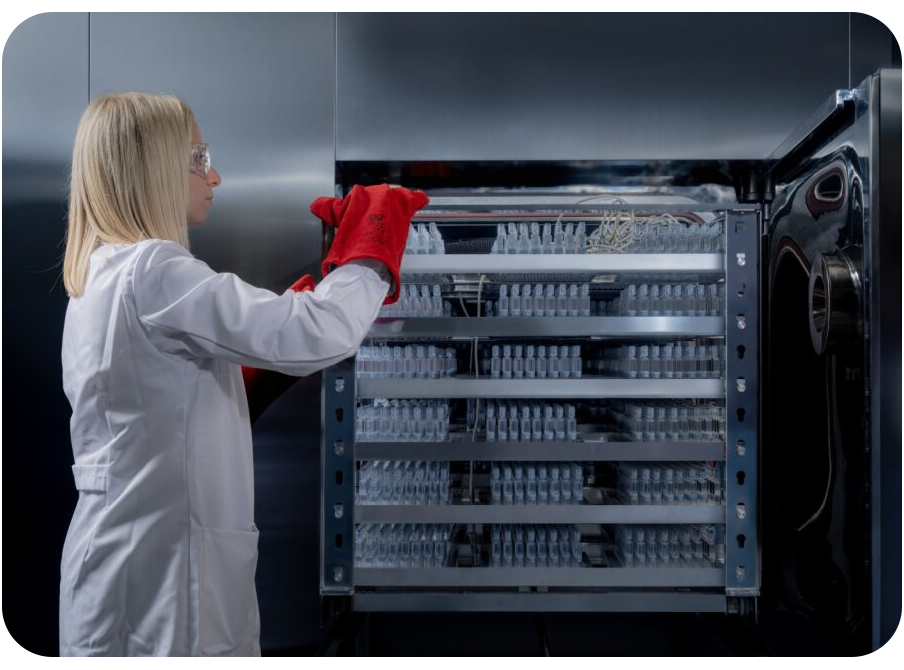

2. Vaporized Hydrogen Peroxide: the clear winner in the EtO dilemma
vH2O2 has emerged as a particularly valid and increasingly recognized alternative to EtO for heat and moisture-sensitive devices. Developed in the 1970s, vH2O2 technology offers a "cold sterilization process" that serves as a non-toxic alternative to EtO and formaldehyde.
Advantages of vH2O2:
Challenges and limitations of vH2O2
Despite its advantages, vH2O2 also presents specific challenges that require careful consideration in process development:
Addressing challenges: the role of Deep Vacuum processing
To mitigate the limitations of vH2O2, particularly concerning penetration and residue management, deep vacuum processing is identified as a primary or preferred method to replace EtO.
- • Enhanced Penetration: For complex devices, especially those with long lumens or intricate geometries, and for densely packed loads, achieving effective sterilant penetration can be challenging in atmospheric conditions. Deep vacuum processing significantly aids in overcoming these penetration deficiencies by creating a pressure differential that facilitates the diffusion of hydrogen peroxide vapor into difficult-to-reach areas and internal lumens. Early work on vH2O2 demonstrated success with a "deep vacuum vH2O2 process", supporting its role in ensuring comprehensive sterilization.
-
• Efficient Residue Management: vH2O2 inherently offers a cleaner process compared to EtO, as its breakdown products are benign oxygen and water vapor. The application of a deep vacuum during or after the vH2O2 cycle further enhances the removal of any residual vapor and its breakdown products, ensuring that devices are free from problematic residues and substantially decreasing or eliminating the need for extensive post-sterilization aeration typically associated with EtO.
The integration of deep vacuum processing with vH2O2 offers a scientifically sound solution to enhance sterilant penetration into challenging device geometries and facilitates the efficient removal of benign byproducts, further establishing vH2O2 as a safe, effective, and environmentally responsible choice for the future of medical device sterilization.
However addressing the inherent challenges of vH2O2, while ensuring effective penetration in complex devices, requires meticulous process development.
Ready to see it in action? Two real cases
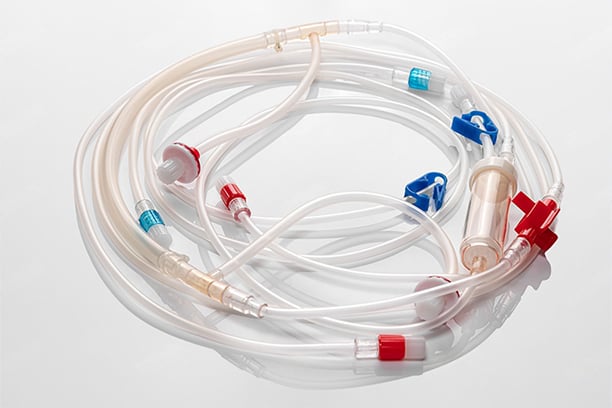
For Hemodialysis tubing sets
are extremely long and narrow. That makes sterilization a huge challenge. Using deep vacuum H₂O₂, it is possible to achieve uniform distribution, full sterility, and a total cycle time far shorter than an EtO process, which can take multiple days due to aeration.
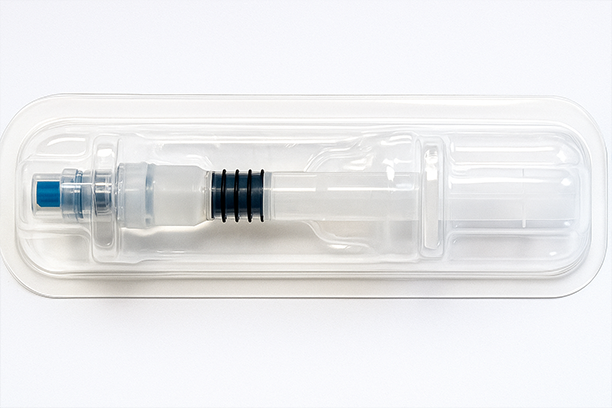
For prefilled syringes in Tyvek® blister packs
when a heat-sensitive drug products is contained in a PFS, it is possible to achieve sterility, keeping hydrogen peroxide residues below 1 ppm in the packaging, and ensured zero residue in the drug product. That shows us that H₂O₂ can meet even stringent pharma standards while protecting delicate formulations.
Fedegari's mission: guiding the industry through a crucial transition
The transition from EtO to vH2O2 is a critical challenge, and an incredible opportunity at the same time, that must be met head-on. At Fedegari, we are committed to helping medical device manufacturers navigate this crucial shift with confidence.
Our experts guide you through the evolving regulatory landscape, ensuring compliance and providing the insights you need to choose the right sterilization technology. We then work with you to develop a strategic transition plan, tailored to your specific needs and products.
The future of patient safety and product efficacy depends on making the right choices today. The industry cannot afford to wait any longer.
We guide companies through a confident and strategic transition to safer sterilization technologies. The future of collective well-being depends on this too.