




In pharmaceutical manufacturing, washing is a silent yet decisive process step, one that often determines whether sterility can truly be achieved. Every validated sterilization cycle and aseptic assembly begins with one essential condition: clean components.
Once seen as a preparatory task, cleaning has now become central to contamination control.
The revised EU GMP Annex 1 recognizes cleaning as a Critical Control Point within the Contamination Control Strategy (CCS): a process that must be designed, validated, and monitored with scientific precision.
At the heart of this transformation lies a timeless model: the Sinner’s Circle.
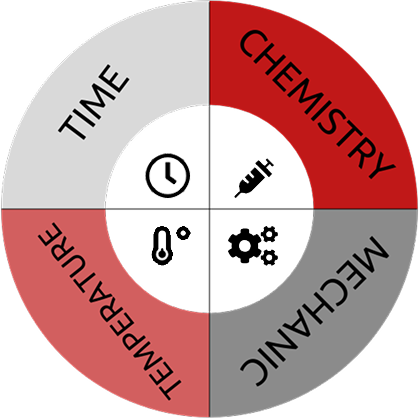
We have elevated it into a scientific compass for validated cleaning in sterile manufacturing. Its enduring insight is simple yet powerful: every cleaning action results from the balance of four forces: Time, Action, Chemistry, and Temperature (TACT).
By mastering this balance, at Fedegari we help manufacturers achieve consistent, verifiable cleaning that aligns with Annex 1 and PDA TR 29 principles, while laying the foundation for long-term efficiency and sustainability.
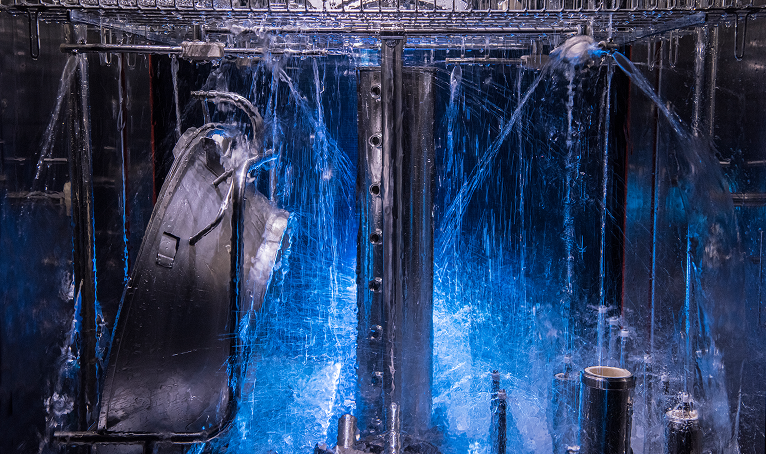
From compliance to science.
Cleaning validation, once treated as a static compliance exercise, is now expected to be a scientifically designed, risk-managed process that evolves over its lifecycle. The shift from prescriptive testing to proactive science defines the current regulatory landscape.
Across all major regulatory frameworks, the same message emerges: cleaning is a critical process, one that directly influences the sterility and safety of your final product.


From compliance to design: the Sinner’s Circle as the compass of cleaning
This evolution, from “prove it once” to “control it always”, turns
compliance into a true engineering discipline. And here’s where the Sinner’s Circle becomes your game changer: what if the real secret to clean surfaces isn’t just effort, but the exact energy needed?
In industrial cleaning, the Sinner’s Circle originally described how heat, chemistry, and mechanical energy could remove soil from fabrics.
In pharmaceutical manufacturing, its meaning deepens: it becomes the scientific grammar of validated cleaning.
These four variables, working together, determine whether a surface reaches its validated state of cleanliness.
They are no longer abstract factors: they are the Critical Process Parameters (CPPs) of washing.

The scientific principle
Sinner’s Circle tells us what makes cleaning work, while the TACT balance explains how to make it reproducible. Each of the four variables (Time, Action, Chemistry, and Temperature) can be adjusted, but never in isolation. Together, they create a dynamic equilibrium that every validated process must understand, document, and control.This interdependence, rooted in the Sinner’s Circle, is what transforms cleaning into a controllable science, rather than a mere procedural habit. It is also what enables pharmaceutical engineers to design processes that are not only efficient and traceable but also defensible under regulatory scrutiny.
When translated into pharmaceutical language, the TACT elements become Critical Process Parameters (CPPs), while their measurable outputs constitute the Critical Quality Attributes (CQAs) of the cleaning process.
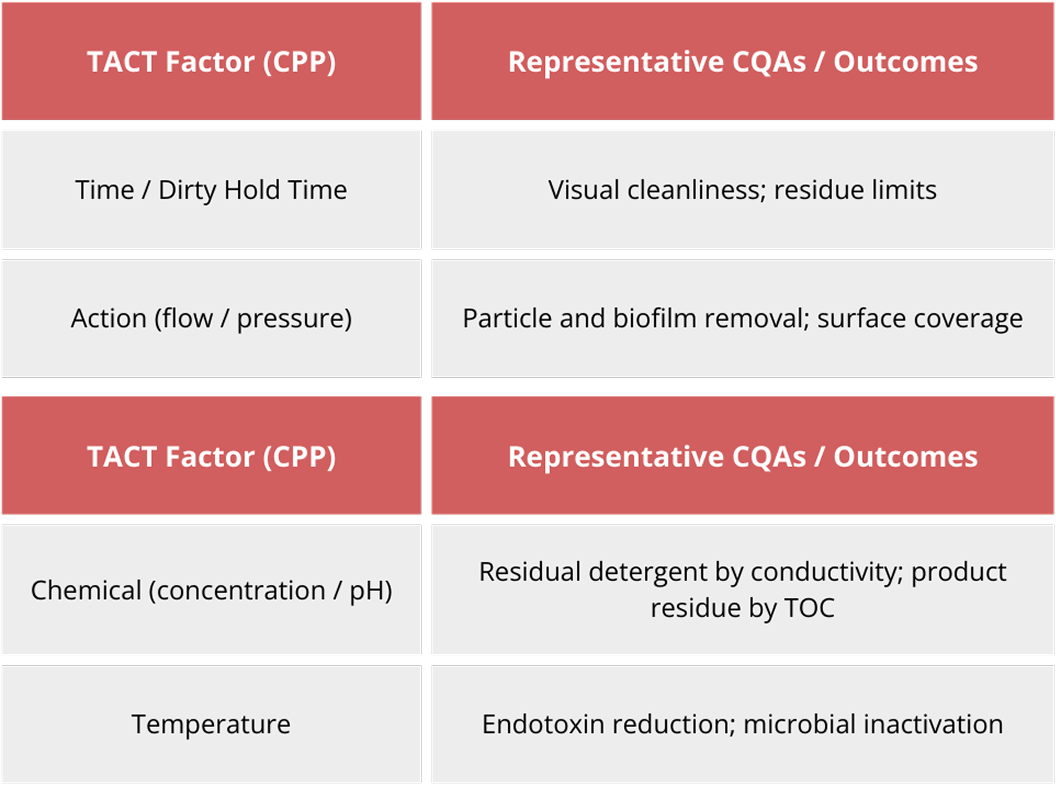
Annex 1 and TR 29 both underline the need to design cleaning processes that are effective, efficient, and sustainable.
Optimization is therefore not optional; it is part of lifecycle control.
By fine-tuning the balance of TACT, engineers can reduce energy and water consumption while maintaining validated performance.
%201-1.png?width=1035&height=674&name=Fedegari%20Grafico%20Articolo%20(2)%201-1.png)
These optimizations contribute to a facility’s ESG objectives while fulfilling Annex 1’s expectation of responsible utility management.
Efficiency is thus not a cost-cutting measure; it is a regulatory virtue, a sign that the process is scientifically understood and continuously improved.
Don’t miss out on this rare opportunity.
Conclusion
In summary, industrial cleaning in the pharmaceutical sector isn’t just a simple preliminary task but a critical scientific discipline to ensure the sterility and safety of final products. The adoption of models like the Sinner’s Circle and the precise balancing of TACT parameters (Time, Action, Chemistry, Temperature) enables companies to optimize their cleaning processes, ensuring not only regulatory compliance but also long-term efficiency and sustainability.
While regulations such as Annex 1 and TR 29 establish guidelines for valid and continuous cleaning, it is essential that companies not only meet compliance requirements but also adopt a scientific approach that allows them to continuously evolve and optimize processes.
Looking ahead, innovation in cleaning process design, real-time monitoring, and the integration of more sustainable solutions will be key to tackling the challenges of modern pharmaceutical production. The adoption of advanced technologies and the intelligent application of the TACT model will further improve efficiency, reducing resource consumption without compromising quality.